In August, The Modernist Society put out a call for an upcoming edition of their magazine on the theme of ‘QUIET ‘. The call was:
QUIET is the new loud. Think of all the modernist places that have quietly been going about their thing without getting the attention they deserve. Design that is subtly striking. Spaces that ooze tranquillity, calm, or contemplation. Perhaps there are modernist architects or designers who had quiet careers outside the mainstream whose stories need amplifying. Ideas could relate to places of worship, countryside retreats, serene landscapes, soft colour schemes, or other interpretations of QUIET.
The call for submissions really made me think, and, against my better judgment (since they had rejected me before), I submitted a proposal for a 750-word visual essay. Sadly, yet another rejection. Their rejection read as follows:
Unfortunately, we are unable to include your proposed piece in this issue. We received an extremely large number of proposals for this theme, which meant we’ve had to pass on some excellent pitches. Thank you for submitting; we appreciate your time. With best wishes, Editor.
A supreme example of the ‘say nothing’ rejection. Extremely large number of proposals — well, how many is that? Had to pass on some excellent pitches — was mine among the excellent pitches passed over, or was it just not that good? What were the criteria, and how were they applied to differentiate between the proposals that made it and those that were passed over? As an academic writer and reviewer with 35+ years of experience, I am well-versed in peer review and can see when nothing is actually being said and no real feedback is given. At least I am appreciated by the ‘we’.
Anyway, I liked my idea (excellent pitch or otherwise) and have a platform (that is probably only for my benefit). So, here is the proposal and a selection of images I supplied. I am still going to write the piece, as the theme is interesting and relevant to anyone who has ever worked in an archive – a modernist archive at that.
Title: Archive
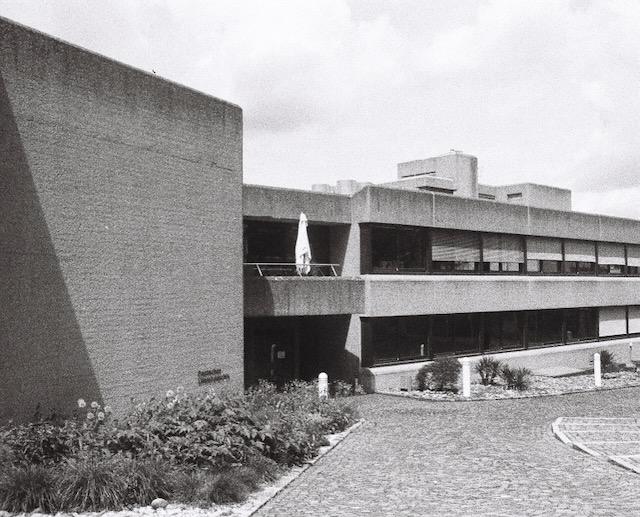
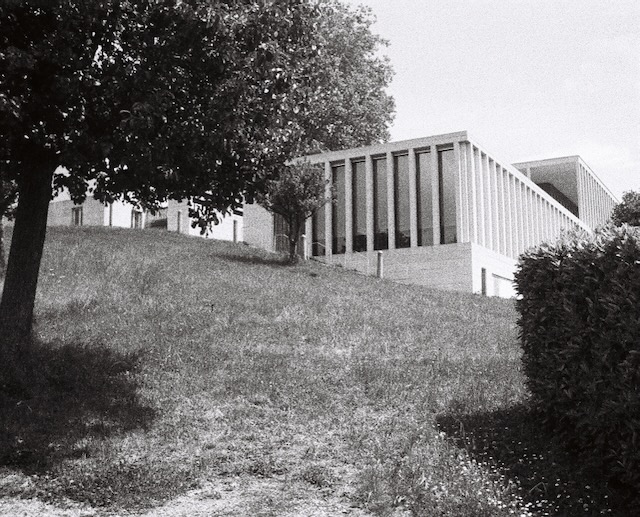
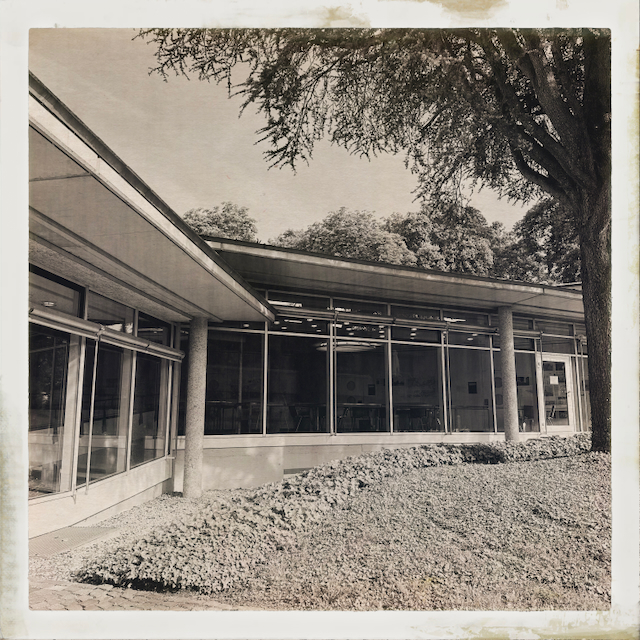
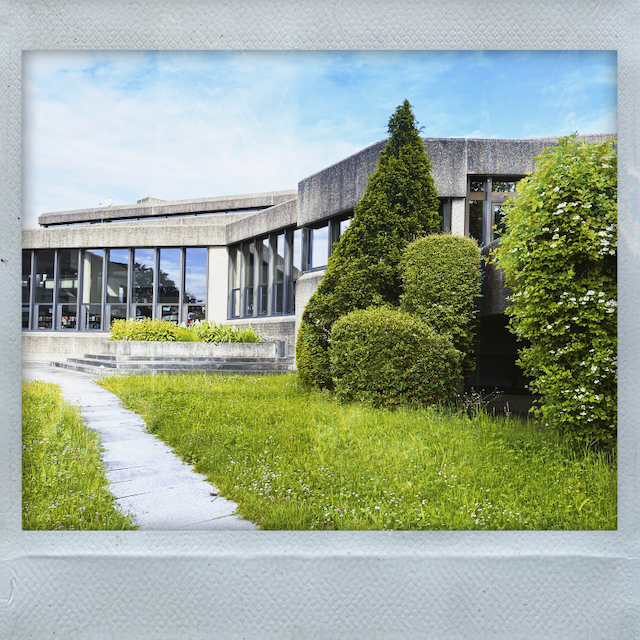
In June 2026, I spent a week in the quiet solitude of the Deutsches Literaturarchiv in Marbach am Neckar, Germany. The archive is part of a scholarly campus that includes the Schiller National Museum and the Museum of Modern Literature. The Deutsches Literaturarchiv focuses on preserving texts, manuscripts, letters, photographs, films, sound recordings, and everyday items. I had been awarded the Deutsches Literaturarchiv / Norbert Elias Foundation Stipend and was there to research the archived photographs of the sociologist Norbert Elias taken during his time in Ghana in the 1960s.
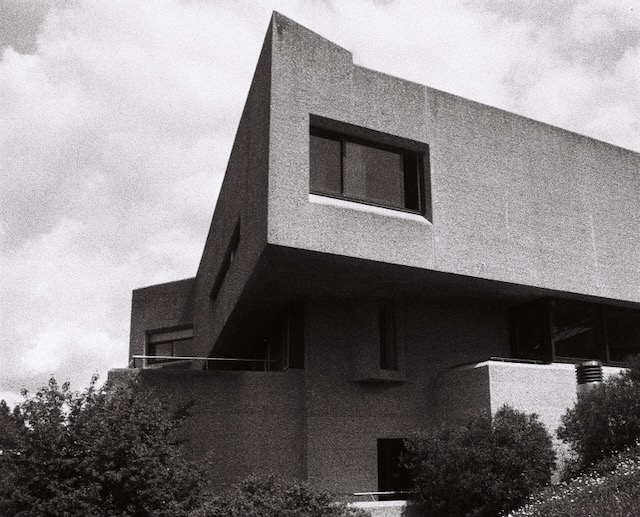
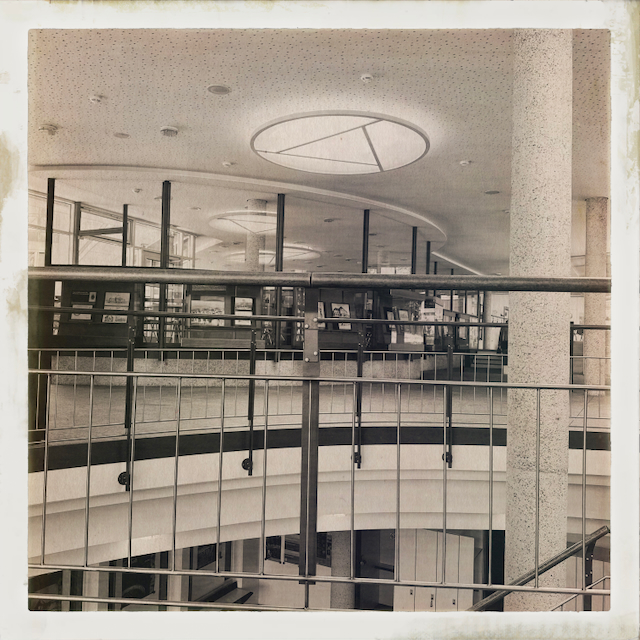
For anyone undertaking archival research, the expected ‘behavioural standards’ are total silence or, at best, speaking in hushed, reverential tones. Conducive to scholarly work, this silence is internalised, and hours are lost as the space shapes the pace of the work. However, the archival demand for quiet contrasts with the loud eureka moments that handling historic ephemera can give. Knowledge discovery and creation aren’t always quiet. The demand for quiet also stands in complete contrast to the ‘loud’ boldness of the archive buildings themselves: exceptional modernist architecture nestled into the green, vineyard-laden hillsides of the Neckar valley. The Deutsches Literaturarchiv, built in the 1970s and designed by Stuttgart architects Elisabeth Kiefner, Jörg Kiefner, and Wolfgang Lauber, also stands in stark opposition to the earlier Pantheon-style Schiller National Museum, lauded and used by the National Socialists in the 1930s.
In 750 words, I will offer a very brief history of the building before considering how the building framed and shaped my research practices.
Images: Photographs were taken on a Pentax Auto 110 and an iPhone.
More to follow
(c) John Goodwin, 2026.